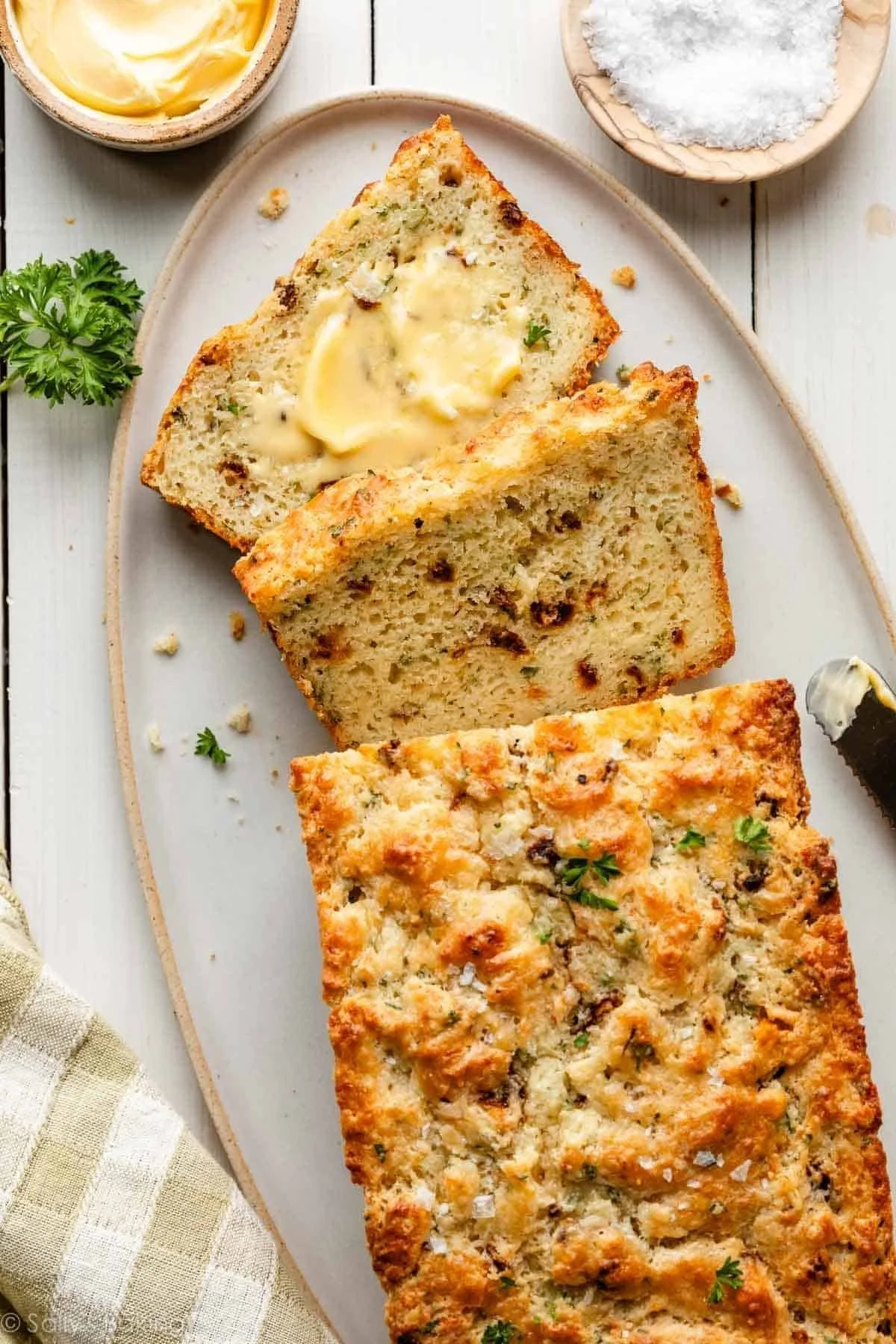

Homemade Fougasse
Homemade fougasse is an aromatic, rustic French flatbread with a crisp golden crust and a tender, slightly chewy crumb. The preferment adds a gentle tang and depth, while the combination of bread and whole wheat flours gives a nutty background flavor. Brushed with extra-virgin olive oil and sprinkled with flaky sea salt and herbs, this bread releases a warm, savory aroma that fills the kitchen. It is perfect served warm as an appetizer, alongside soups, or as part of a casual bread basket. If you enjoy simple, hands-on bread baking, fougasse is a satisfying project that rewards patience with a loaf that looks as beautiful as it tastes. For a playful bread-focused meal idea, try pairing your fougasse with homemade cheesy breadsticks for a crowd-pleasing spread.
Ingredients
- 1 cup (130g) bread flour (for biga preferment)
- Use high-protein bread flour to give the biga structure and flavor development.
- 1/8 teaspoon instant or active-dry yeast (for biga preferment)
- A small pinch of yeast is enough for a slow, flavorful preferment.
- 1/2 cup (120g/ml) room-temperature water (for biga preferment)
- Room-temperature water helps the yeast wake up gently during the long rest.
- 1 and 1/2 cups (195g) bread flour (main dough)
- Provides the strong gluten framework for an open crumb and chewy texture.
- 1/2 cup (65g) whole wheat flour
- Adds a touch of nuttiness and color without overpowering the bread.
- 3/4 teaspoon instant or active-dry yeast (for main dough)
- The main rise yeast to lift the dough through the shaping and proofing stages.
- 1 teaspoon table salt
- Balances flavor and strengthens the dough structure.
- 1/2 cup (120g/ml) room-temperature water (for main dough)
- Combined with the preferment, this yields the dough hydration called for.
- 2 tablespoons (28g) extra-virgin olive oil
- Brushed on top and incorporated into the dough for flavor and a tender crust.
- Optional toppings: flaky sea salt and herbs (rosemary, thyme, or Herbes de Provence)
- Finish for aroma and a savory, bright surface flavor.
If you want a light dessert or palate cleanser after your bread, consider serving a simple sweet treat like homemade gelatin with the meal.
Step-by-step Instructions
Day 1: Make the biga preferment.
- In a bowl, whisk together 1 cup (130g) bread flour and 1/8 teaspoon yeast.
- Add 1/2 cup (120g/ml) room-temperature water and stir until combined.
- Cover and let rest at room temperature for 8 to 24 hours. This long rest develops flavor.
Day 2: Combine dry ingredients for the main dough.
- In a large bowl, combine 1 and 1/2 cups (195g) bread flour, 1/2 cup (65g) whole wheat flour, 3/4 teaspoon yeast, and 1 teaspoon salt.
- Stir to mix evenly.
Add wet ingredients and biga.
- Add the entire biga, 1/2 cup (120g/ml) room-temperature water, and 2 tablespoons (28g) extra-virgin olive oil to the dry mix.
- Mix until a shaggy dough forms. It will look slightly rough and sticky.
Knead until smooth.
- Turn the dough onto a lightly floured surface and knead until smooth and elastic, about 6 to 10 minutes by hand.
- Place the dough in a lightly oiled bowl, turning once to coat.
Bulk rest.
- Cover the bowl and let the dough rest for 45 minutes to 2 hours at room temperature until it begins to relax and rise.
Perform stretch-and-folds.
- Every 20 to 30 minutes during the bulk rest, reach under the dough, pull it up, and fold it over itself, rotating the bowl as you go.
- Repeat until you have completed four total folds. These strengthen the dough without formal kneading.
Second rest.
- After the folds, let the dough rest for another 45 minutes to 2 hours until it has relaxed and shows some airy bubbles.
Shape into a triangle.
- Gently shape the dough into a triangle on a lightly floured surface. Handle it gently to preserve air pockets.
- Cover and let rest for 30 minutes to 2 hours to relax and proof.
Create the leaf pattern.
- Using a sharp knife or kitchen shears, make several cuts in the dough to create the traditional leaf or lattice pattern. Be careful not to deflate the dough.
- Cover and let rest for another 30 minutes to 1 hour until slightly puffed.
Preheat and finish.
- Preheat your oven to 450°F (232°C).
- Brush the dough generously with olive oil and sprinkle with flaky sea salt and herbs if using.
Bake.
- Bake for about 20 minutes until the fougasse is golden brown and sounds hollow when tapped on the bottom.
- Optionally brush with more olive oil before serving to keep the crust glossy and flavorful.
Tip: For a bolder herb flavor, lightly press fresh rosemary or thyme into the dough just before baking.
For a creative bread board that includes other baked goods, try adding a stuffed option like homemade cheesy pizza pockets alongside your fougasse.
Recipe Details
- Prep Time: 20 minutes active, plus 8 to 24 hours for the biga and up to 4 hours for dough rests
- Cook Time: About 20 minutes
- Total Time: Roughly 10 hours to 28 hours depending on preferment and proof times
- Servings: Makes one medium fougasse, serves about 6
- Calories: Approximately 280 kcal per serving
Serve this bread warm for the best texture and aroma. If you want a hearty pairing, a bowl of comfort food like easy homemade Spaghetti Os with meatballs makes a nostalgic and filling companion.
Tips, Storage & Variations
Practical tips
- Keep hands and surface lightly floured when shaping to avoid sticking but do not over-flour the dough.
- Use a sharp knife or kitchen shears to make clean cuts for the leaf pattern.
- If the dough resists stretching, give it more rest time until relaxed.
Storage
- Store cooled fougasse in a paper bag or wrapped loosely in a tea towel at room temperature for up to 2 days to preserve crust crispness.
- For longer storage, slice and freeze in an airtight container for up to 1 month.
Freezing advice
- Freeze fully cooled bread wrapped tightly in plastic wrap and placed in a freezer bag.
- To refresh, thaw at room temperature and warm in a 350°F (177°C) oven for 8 to 10 minutes.
Flavor variations using existing ingredients only
- Herb-flecked: Sprinkle extra rosemary or thyme on top before baking.
- Salt-forward: Use a generous pinch of flaky sea salt after brushing with olive oil for a crunchier finish.
- Herbes blend: Dust with Herbes de Provence for a classic aromatic profile.
If you love cheesy sides, you might enjoy pairing fougasse with this cheesy breadsticks recipe for a melty complement.

Frequently Asked Questions
Q: What is a biga?
A: A biga is a stiff preferment made from flour, water, and a tiny amount of yeast that ferments slowly to add flavor and texture.
Q: Can I use instant yeast for both biga and main dough?
A: Yes, instant or active-dry yeast can be used in either stage as called for.
Q: How do I know when the fougasse is done?
A: It is ready when the crust is deep golden and the bottom sounds hollow when tapped.
Q: Can I skip the biga and make this faster?
A: Technically yes, but the biga adds depth of flavor and better texture, so skipping it will change the result.
Q: Should I bake on a baking stone or sheet?
A: Both work. A preheated baking stone gives a crisper bottom, while a sheet is more forgiving for home ovens.
People Also Ask
Q: How long should a biga ferment for best flavor?
A: Ferment the biga 8 to 24 hours at room temperature for a good balance of flavor and strength.
Q: What makes fougasse different from focaccia?
A: Fougasse is shaped and cut to resemble a leaf and tends to be thinner and crispier than focaccia.
Q: Can I make fougasse with just bread flour and no whole wheat?
A: Yes, you can omit whole wheat, but the loaf will be slightly less nutty in flavor.
Q: Is it important to use room-temperature water?
A: Room-temperature water helps yeast activate gently and keeps preferment timing predictable.
Q: How do I keep the crust crisp after baking?
A: Store in a paper bag at room temperature and reheat briefly in the oven to restore crispness.
Q: Can herbs be baked directly on the dough?
A: Yes, lightly pressing herbs into the surface before baking helps them adhere and release aroma.
Q: Will a higher oven temperature bake fougasse faster?
A: Higher temperatures can brown faster but may risk uneven baking; 450°F (232°C) gives reliable results.
Q: How do I avoid deflating the dough when making the leaf cuts?
A: Make confident, quick cuts and handle the dough gently to retain internal air.
Conclusion
I hope this Homemade Fougasse brings a little French bakery magic into your kitchen. The preferment, simple shaping, and olive oil finish create a loaf that looks artisanal and tastes comforting. For more guidance and visual inspiration, you may find useful techniques in Sally’s fougasse recipe and a helpful walkthrough at Elizabeth’s Kitchen Diary fougasse guide. Try the recipe, make it your own with the herbs you prefer, and share a photo or note about how it turned out. Enjoy warm slices and good company.
PrintHomemade Fougasse

A rustic French flatbread with a crisp golden crust and a tender, slightly chewy crumb, homemade fougasse is perfect served warm with soups or as part of a bread basket.
- Prep Time: 600 minutes
- Cook Time: 20 minutes
- Total Time: 620 minutes
- Yield: 6 servings 1x
- Category: Bread
- Method: Baking
- Cuisine: French
- Diet: Vegetarian
Ingredients
- 1 cup (130g) bread flour (for biga preferment)
- 1/8 teaspoon instant or active-dry yeast (for biga preferment)
- 1/2 cup (120g/ml) room-temperature water (for biga preferment)
- 1 and 1/2 cups (195g) bread flour (main dough)
- 1/2 cup (65g) whole wheat flour
- 3/4 teaspoon instant or active-dry yeast (for main dough)
- 1 teaspoon table salt
- 1/2 cup (120g/ml) room-temperature water (for main dough)
- 2 tablespoons (28g) extra-virgin olive oil
- Optional toppings: flaky sea salt and herbs (rosemary, thyme, or Herbes de Provence)
Instructions
- Day 1: Make the biga preferment. In a bowl, whisk together 1 cup (130g) bread flour and 1/8 teaspoon yeast. Add 1/2 cup (120g/ml) room-temperature water and stir until combined. Cover and let rest at room temperature for 8 to 24 hours.
- Day 2: Combine dry ingredients for the main dough. In a large bowl, combine 1 and 1/2 cups (195g) bread flour, 1/2 cup (65g) whole wheat flour, 3/4 teaspoon yeast, and 1 teaspoon salt. Stir to mix evenly.
- Add wet ingredients and biga. Add the entire biga, 1/2 cup (120g/ml) room-temperature water, and 2 tablespoons (28g) extra-virgin olive oil to the dry mix. Mix until a shaggy dough forms.
- Knead until smooth. Turn the dough onto a lightly floured surface and knead until smooth and elastic, about 6 to 10 minutes by hand. Place the dough in a lightly oiled bowl, turning once to coat.
- Bulk rest. Cover the bowl and let the dough rest for 45 minutes to 2 hours at room temperature until it begins to relax and rise.
- Perform stretch-and-folds. Every 20 to 30 minutes during the bulk rest, reach under the dough, pull it up, and fold it over itself, rotating the bowl as you go. Repeat until you have completed four total folds.
- Second rest. After the folds, let the dough rest for another 45 minutes to 2 hours until it has relaxed and shows some airy bubbles.
- Shape into a triangle. Gently shape the dough into a triangle on a lightly floured surface. Cover and let rest for 30 minutes to 2 hours to relax and proof.
- Create the leaf pattern. Using a sharp knife or kitchen shears, make several cuts in the dough to create the traditional leaf or lattice pattern. Cover and let rest for another 30 minutes to 1 hour until slightly puffed.
- Preheat and finish. Preheat your oven to 450°F (232°C). Brush the dough generously with olive oil and sprinkle with flaky sea salt and herbs if using.
- Bake. Bake for about 20 minutes until the fougasse is golden brown and sounds hollow when tapped on the bottom.
Notes
Serve warm for the best texture and aroma. Store cooled fougasse in a paper bag or wrapped loosely in a tea towel at room temperature for up to 2 days.
Nutrition
- Serving Size: 1 serving
- Calories: 280
- Sugar: 1g
- Sodium: 250mg
- Fat: 10g
- Saturated Fat: 1g
- Unsaturated Fat: 5g
- Trans Fat: 0g
- Carbohydrates: 34g
- Fiber: 3g
- Protein: 8g
- Cholesterol: 0mg
Keywords: fougasse, French bread, homemade bread, rustic bread, flatbread